Living Like a Local in Estepona, Spain
What happens when you trade the tourist map for a neighborhood café and a market basket
During our recent stay in Estepona, Spain, we didn't just visit—we lived. And that simple mindset shift changed everything.
What "Living Like a Local" Really Means
It's not about seeing every attraction. It's about:
- Walking to the local market for today's meal, not bulk shopping
- Becoming a regular at one café until they know your order
- Eating the main meal at lunch, then tapas and wine for dinner the way that locals do
- Taking evening walks on the paseo with no destination
- Speaking broken Spanish and having locals appreciate the effort
- Letting inconveniences become routine
Why We Chose Old Town Estepona
Our daughter and her family were actually the ones that chose Estepona. They are spending 2 months in Spain this spring and after a lot of research decided upon Estepona. Since we were going to be in London anyway, they wanted us to come visit and spend some time with them.
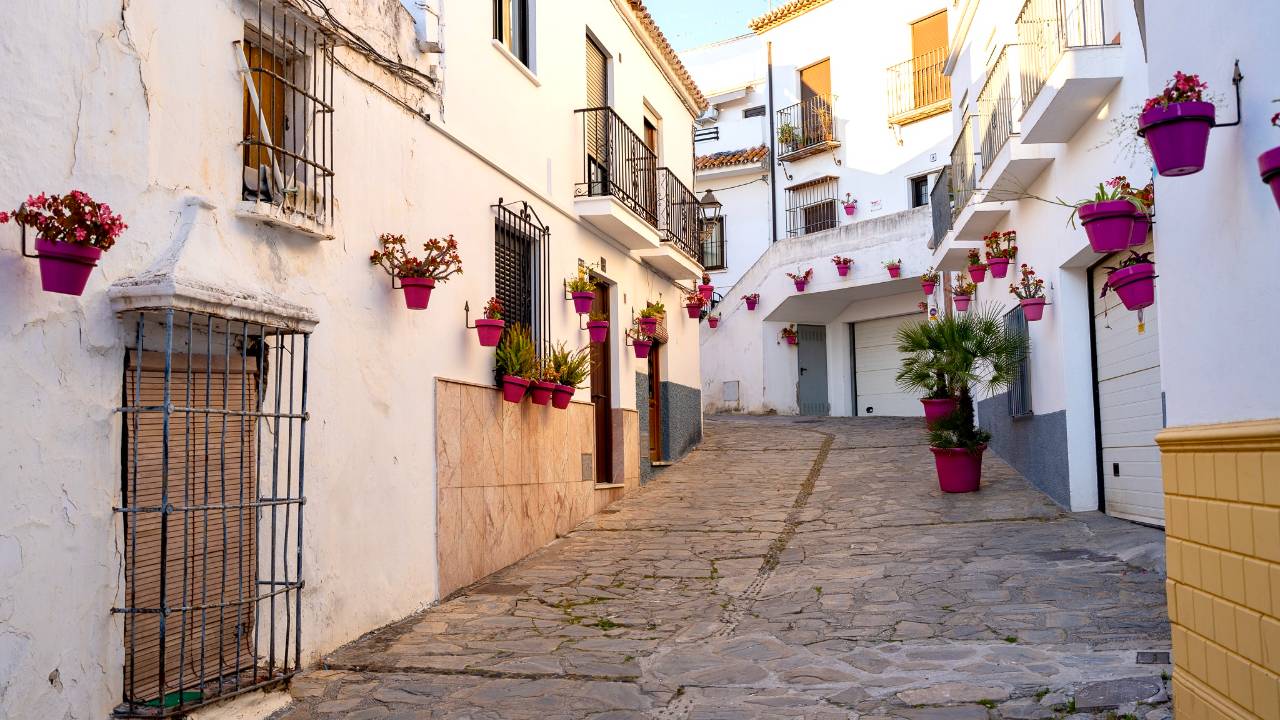
We rented an apartment in the heart of Old Town—cobblestone streets, whitewashed buildings, steps from local shops and cafés.
The reality? Two-story apartment, bathroom on the main floor, bedrooms upstairs. No parking at the building—we walked 10 minutes to a parking deck.
First day? Annoying. Third day? Normal.
That's the key: stop comparing to home. Embrace the differences.
The Spanish Rhythm
The eating schedule alone transforms your experience:
Lunch: The main meal, leisurely, between 2-4 PM with locals
Dinner: Light tapas with wine or beer after 9 PM—social, not formal
At the market, you buy ingredients for that day's meal. You chat with vendors. You carry purchases in a reusable shopper bag. It's slower, more intentional.
The Mediterranean Bonus
Easy to forget while wandering Old Town streets: you're a short walk from the Mediterranean.
The beachside promenade fills with locals on nice days. The chiringuitos (beachside bars) serve cold beer and boquerones—fresh sardines grilled over coals on skewers. You eat with sand under your feet.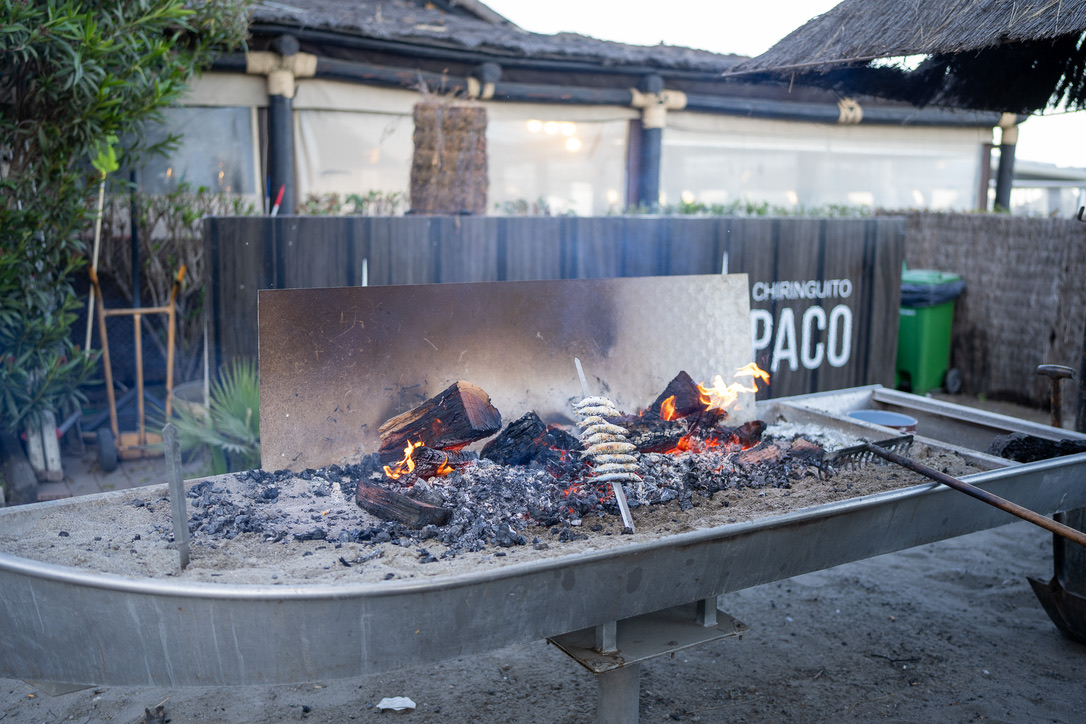
Day Trips from Your Home Base
Living local doesn't mean staying put. We took day trips to:
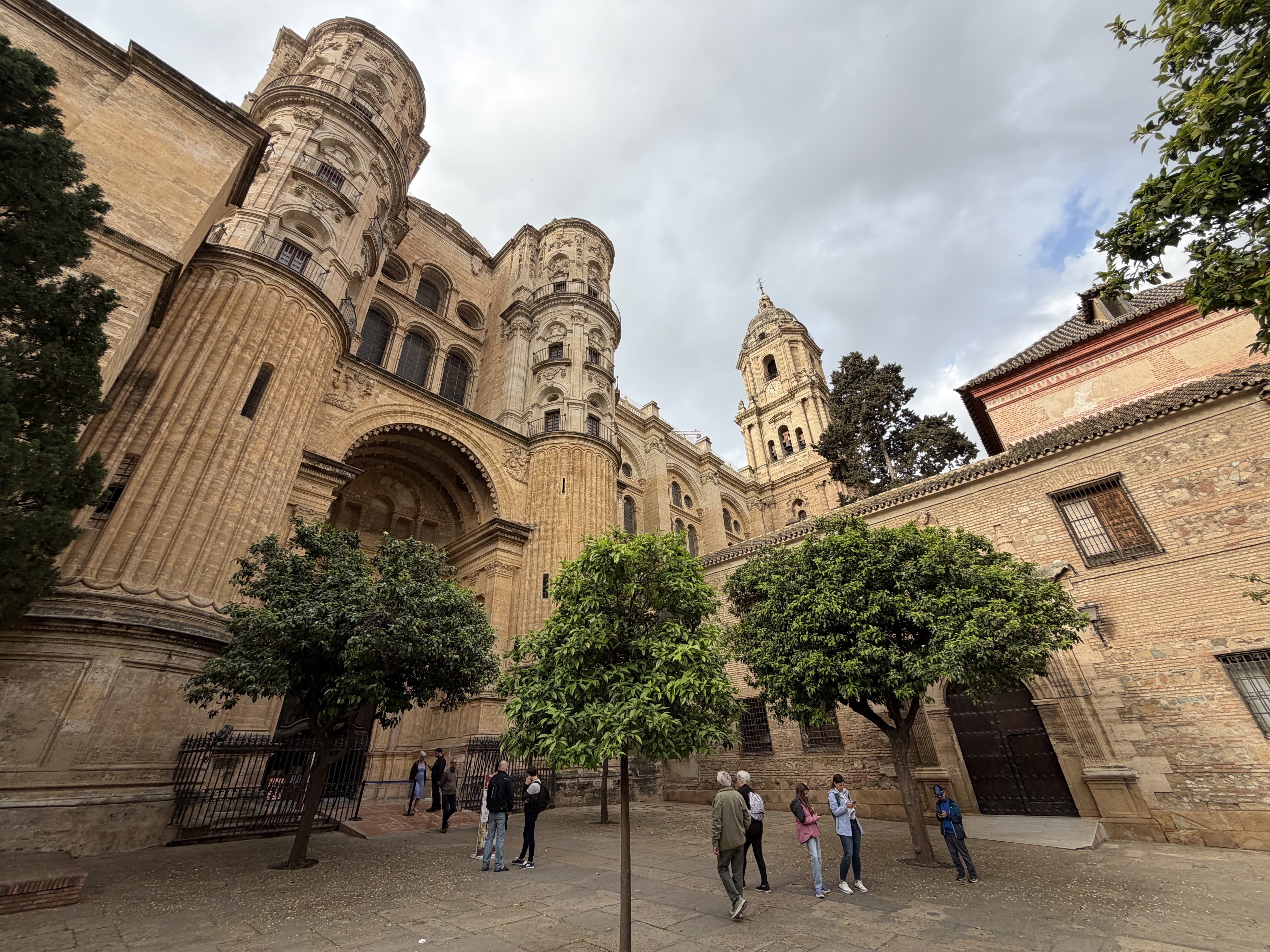
- Málaga (90 minutes)—Picasso Museum, historic fortress, bustling port
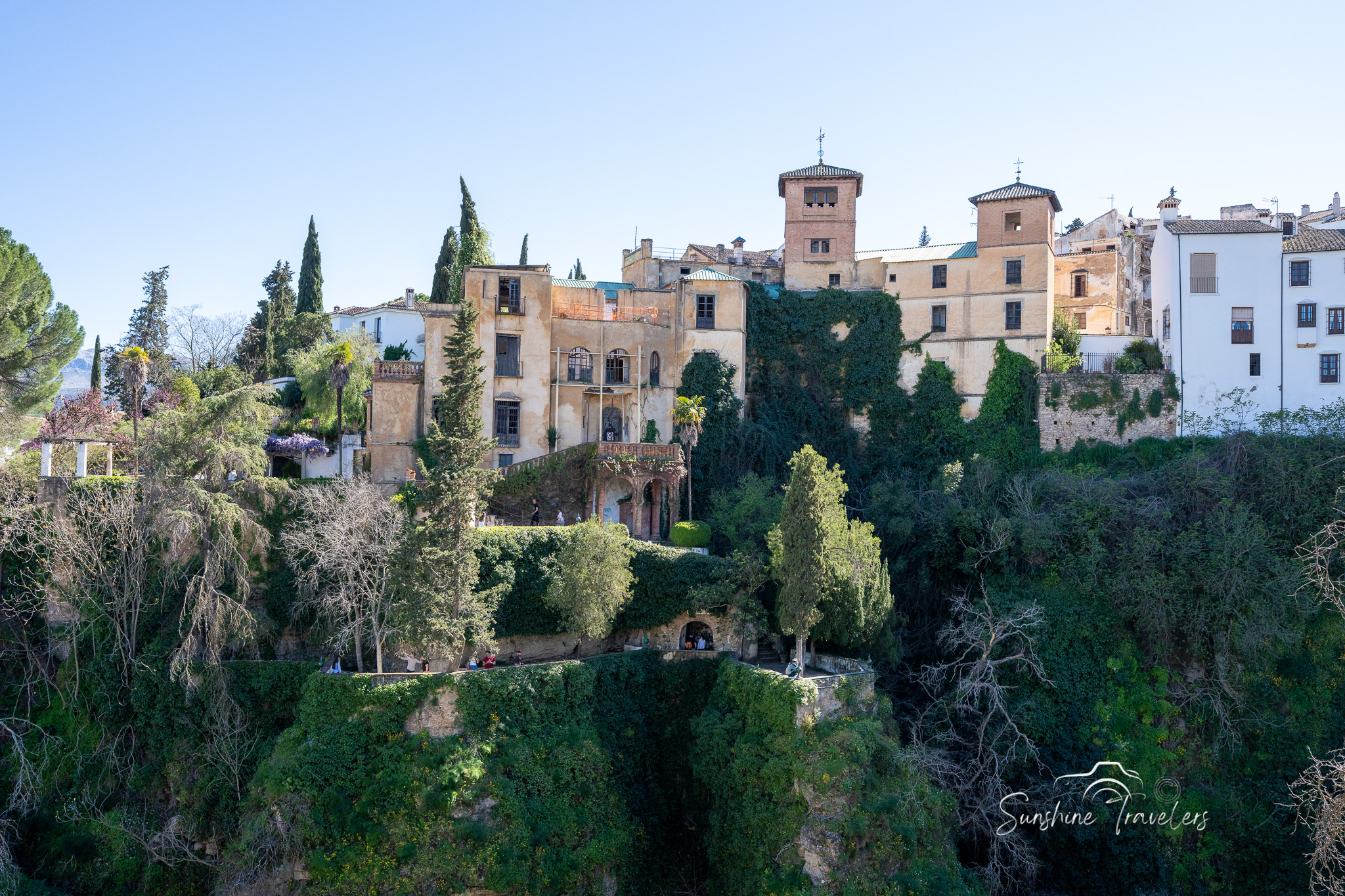
- Ronda (60 minutes)—mountaintop town with dramatic bridge
- Gibraltar—British culture meets Mediterranean coast

Each evening, we returned "home" to Estepona. Our apartment. Our neighborhood. Our regular café.
The Transportation Reality
We needed a minivan for 8 people. If you don't? Rent the smallest car possible.
Narrow streets, tight parking, easier navigation. Or skip the car entirely—Old Town is walkable, and buses/trains handle day trips.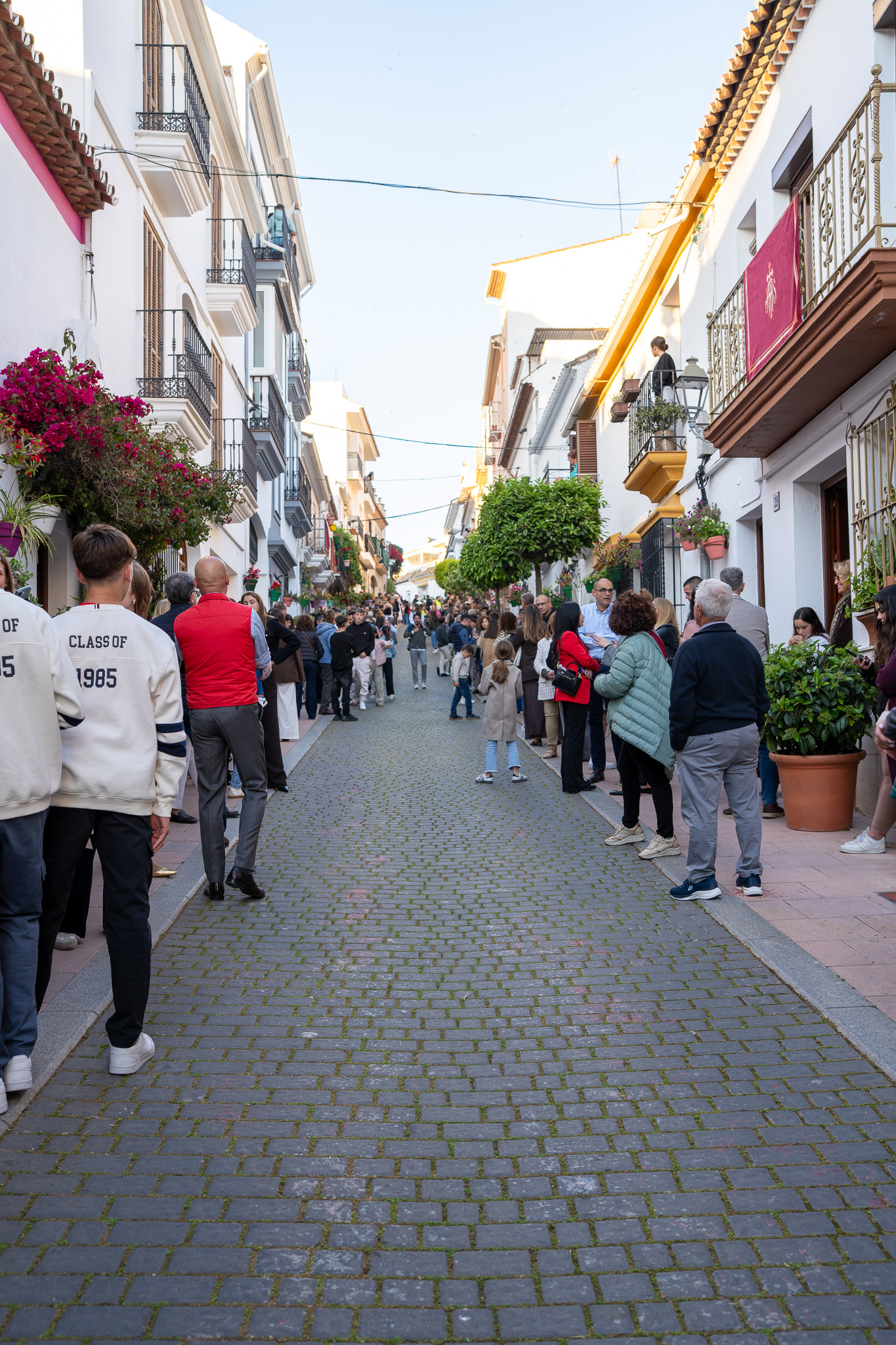
When You Start to Feel Local
After several days, something changes.
We spotted newly arrived tourists—the uncertain menu gazing, the map consulting. We smiled, remembering that was us.
We knew the shortcuts. Which bakery had the freshest bread and best pastries. Where the closest Mercandona was located.
We started to feel, for moments, like locals.
And when locals at our regular café started recognizing us? When they began preparing our order before we asked? That's when you know you're not visiting anymore.
You're living abroad.
The People Make the Difference
Locals in Estepona are friendly and forgiving. Our Spanish was terrible. We tried anyway.
Some would slow down and repeat. Others used hand signals. Most just appreciated the effort.
"Buenos días," "por favor," "gracias"—these simple words opened doors.
Chat with vendors. Exchange pleasantries with neighbors. Ask questions at cafés. These small interactions accumulate into connection.
Our Visit During Semana Santa
We happened to be there during Semana Santa (Holy Week). The processionals wound through Old Town streets—and we weren't observers. We were part of the community experiencing this sacred tradition.

That's what living like a local offers: participation, not observation.
Deciding Your Comfort Level
You choose how much comfort you want:
- Upscale neighborhood or authentic village?
- Boutique hotel or apartment?
- Private car or local transport?
- Modern amenities or character-filled spaces?
- Scheduled activities or spontaneous wandering?
We chose Old Town authenticity with rented transportation. You might choose differently. There's no wrong answer.
Just choose intentionally, then embrace it fully.
Making It Happen
Timeframe: At least one week, ideally two or longer
Accommodation: Search for apartments in Old Town or on the city's edge—places with kitchens in actual neighborhoods, not resort complexes
Mindset:
- Don't compare to how things are or are done at home
- Be patient with inconveniences
- Try the language
- Build routines
- Engage with locals
The shift for us
Tourism shows you sights. Living like a local shows you life.
We played in the sand after a big Easter lunch. We navigated parking and laughed about it (may have cried once or twice). We stumbled through Spanish and made connections. We walked familiar streets during ancient processionals.
When we left, we weren't tourists who had visited. We were people who had, briefly, belonged.
That's the real gift of places like Estepona. The town welcomes you, teaches you, maybe even transforms you a little.
The Mediterranean is waiting. Your Estepona adventure starts with a single decision.
Frequently Asked Questions About Living in Estepona
Q: How long should I stay in Estepona to live like a local? A: At least one week, ideally two weeks or longer. This gives you time to establish routines, become a regular at local spots, and truly immerse yourself in the Spanish lifestyle.
Q: Do I need to speak Spanish to live in Estepona? A: While helpful, fluent Spanish isn't required. Locals are friendly and forgiving with language learners. Learning basic phrases and making an effort goes a long way.
Q: What's the best area to stay in Estepona? A: Old Town Estepona offers the most authentic experience with proximity to shops, cafés, and local life. For longer stays, apartments on the edge of the city provide even more local immersion.
Q: Is Estepona expensive for long-term stays? A: Estepona is generally more affordable than nearby Marbella while offering similar coastal beauty. Apartment rentals and local markets make extended stays quite reasonable for the quality of life.
Q: What's the best time to visit Estepona? A: Spring (April-June) and fall (September-October) offer pleasant weather and fewer tourists. We visited during Semana Santa (Easter week) for incredible cultural experiences.
Q: What if I get sick or need to see a doctor while I'm there? A: We would highly recommend getting Travel Medical or Travel Nomad Insurance. Check out the options that SafetyWing has here.
Our mother in law wasn't feeling well and tried to go to an urgent care. They wanted at least an $1000 guarantee up front before even seeing a doctor. Unfortunately, we should have told them to secure some type of travel medical before they left home. She ended up doing a teledoc appointment but a Travel Medical and Insurance Policy would have been a better bet.
Where will your wanderlust take you next?