Florence Beyond the Crowds: Finding Authentic Experiences in Italy's Renaissance Capital
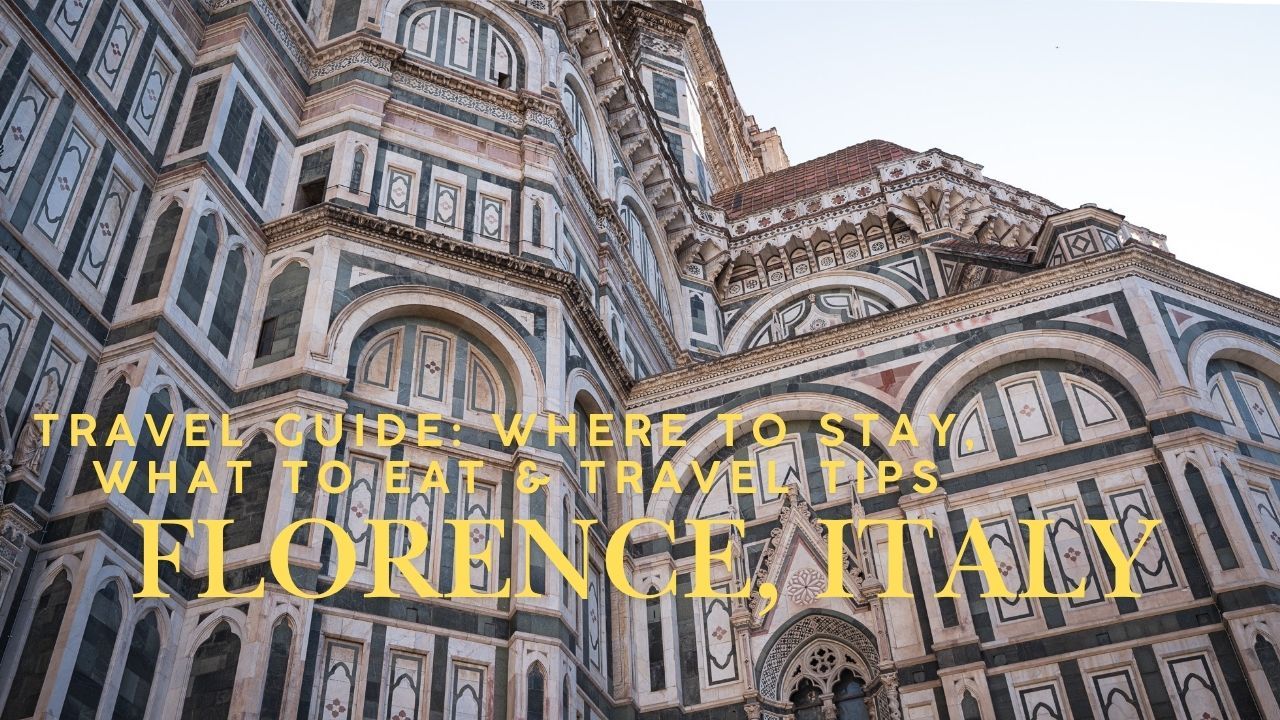
Yes, Florence is crowded. Yes, it's overwhelming. But here's how to find the authentic experiences hiding in plain sight.
First Impressions: The Florence Reality Check
Let's be honest about Florence.
When you first arrive, it can feel overwhelming. This isn't a quaint Italian village—it's a large city absolutely packed with tourists. The streets are narrow, jammed with people, cars, taxis and motorbikes all vying for the same limited space. Every "must-see" attraction has lines: the Duomo, the Cathedral, the Accademia Gallery to see David, the Uffizi Museum, Ponte Vecchio, even the Boboli Gardens.
We arrived during a holiday weekend in early May, which certainly amplified the crowds. But the reality is, Florence is always busy. This is one of the world's great Renaissance cities, home to some of humanity's most treasured art and architecture. Of course people want to see it.
The question isn't whether Florence will be crowded. It will be.
The question is: how do you experience the authentic Florence beyond the tourist chaos?
We spent four days in Florence discovering the answer. Here's what we learned.
Setting Expectations: What You Need to Know
Give It a Minute
When you first arrive in Florence, you might feel a moment of panic. The crowds, the noise, the constant movement—it's a lot.
Our advice: breathe. Give it a minute.
Florence settles down. Especially in the evenings when the tour groups leave for the day. That's when the city becomes yours. The streets calm a little more than during the day. The locals emerge. The restaurants fill with Italians, alongside the tourists.
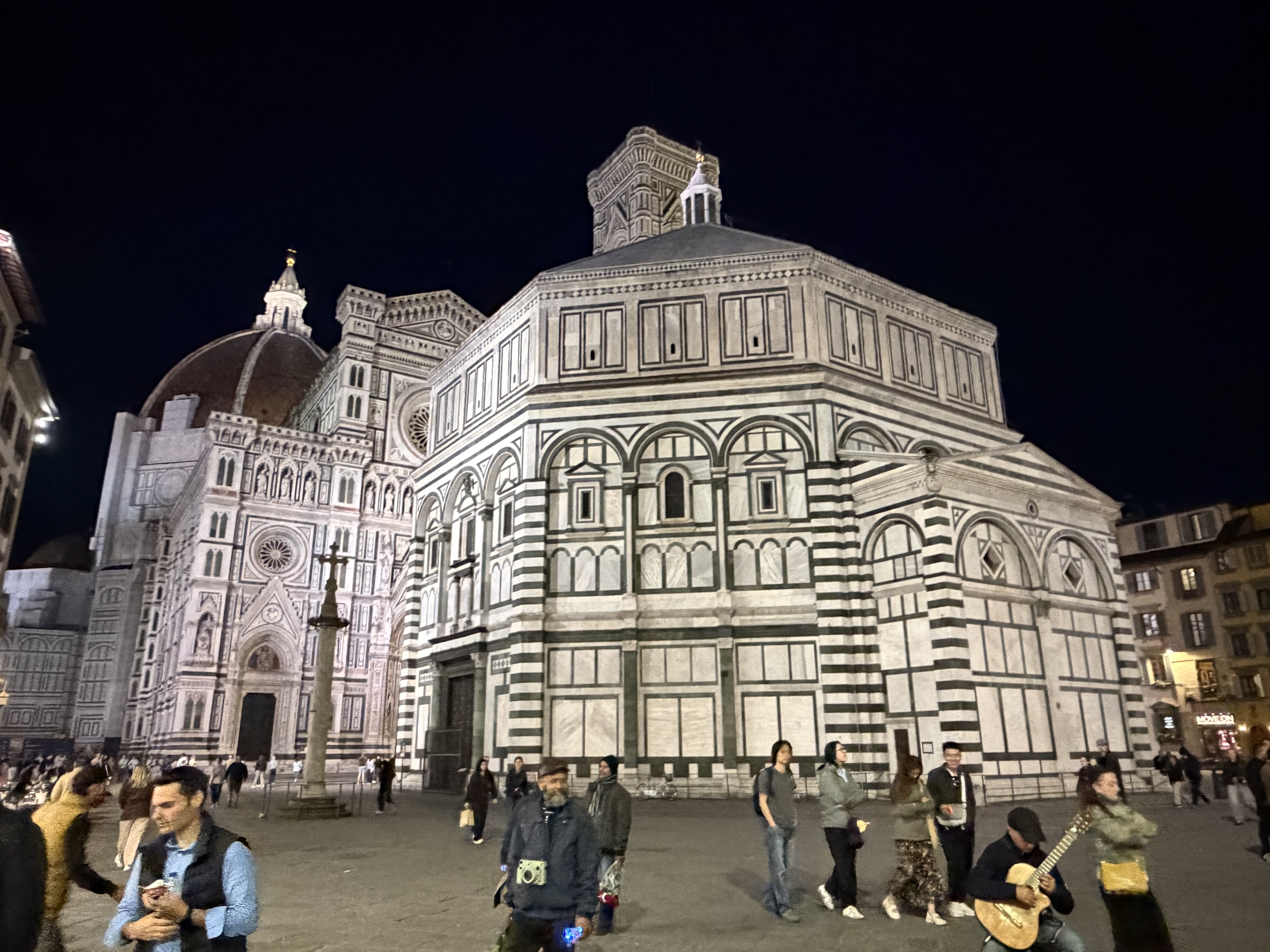
That's your time to experience and enjoy Florence.
The early mornings work too. Get out before the tour buses arrive, and you'll see a different city—one where shopkeepers sweep their storefronts, locals grab espresso at the bar, and the light hits the ancient buildings in golden slants. Just don't expect all of the shops and cafes to be open at that time.
How Long Should You Stay?
We had four days in Florence, and it felt right. Anything less would make it hard to truly experience the city beyond the major attractions.
Four days gives you time to:
- See the iconic sights (yes, even with the crowds)
- Discover neighborhoods beyond the tourist center
- Have authentic food experiences
- Take a cooking class or day trip
- Simply wander through the maze of streets without an agenda
Could you do Florence in two days? Sure. But you'd be rushing. And rushing is the enemy of authentic experience.
Getting There and Around
We arrived in Florence by train, which is comfortable and efficient from most Italian cities. From the station, we took a taxi to our apartment.
Pro tip: Book your taxi ahead using the AppTaxi app. You don't need to do this from the Train Station because there is usually a line of taxis waiting to take you to your destination. You are going to want to download this app so that you can use a taxi if you want to go outside the city or when you are returning to the trainstation with all of your luggage and the gifts you bought to take home. This eliminates the stress of finding transportation with luggage, especially if you don't speak Italian. Uber is available in some areas, but it is mostly only Black Car and Van and tends to be about double what a taxi would cost or more.
Once you're in Florence, walking is your primary mode of transportation. The city center is compact, and most attractions are within a 15-20 minute walk of each other.
When to Visit
We were there in early May, and the timing felt ideal. April through June seems to be the sweet spot for Florence—pleasant weather without the extreme summer heat. We've also been told that September and October are good months to visit.
A word of caution: it was cold in the mornings and evenings at the beginning of May. Bring layers. After June, Florence can get uncomfortably hot, which makes navigating crowded streets and standing in lines even more challenging.
Where We Stayed: Location Matters
We rented an apartment in Santa Croce neighborhood, and this choice made all the difference.
Everything was within walking distance: the Duomo (5 mins), the Cathedral (5 mins), Ponte Vecchio (10 - 15 mins), the Accademia (5 mins), the Uffizi (15 mins). No taxis needed. No planning routes. Just step outside and start exploring.
But the real advantage was the neighborhood itself. Right outside our door were trattorias, cafés, and even a couple of the famous wine windows (historic openings in walls where wine was traditionally sold).
Surprisingly, we didn't try the wine windows during our stay. With so many trattorias and cafés steps away, we ended up exploring those instead.
The takeaway: Choose accommodation in the historic center if you can. Yes, it might cost more. But the time, convenience, and experience make it worth every euro.
The Tourist Attractions: Don't Skip Them
Here's an unpopular opinion: the tourist attractions are tourist attractions for a reason. They're worth seeing.
Yes, the Duomo is packed and you need to book it ahead of time. Yes, there are lines for the Accademia. Yes, Ponte Vecchio is shoulder-to-shoulder with people.
Pro Tip: Ponte Vecchio. Go one street above or below Ponte Vecchio and walk back towards it along the river for the best views. While on the bridge, you won't be able to see the architecture of the buildings that have been built on the bridge.
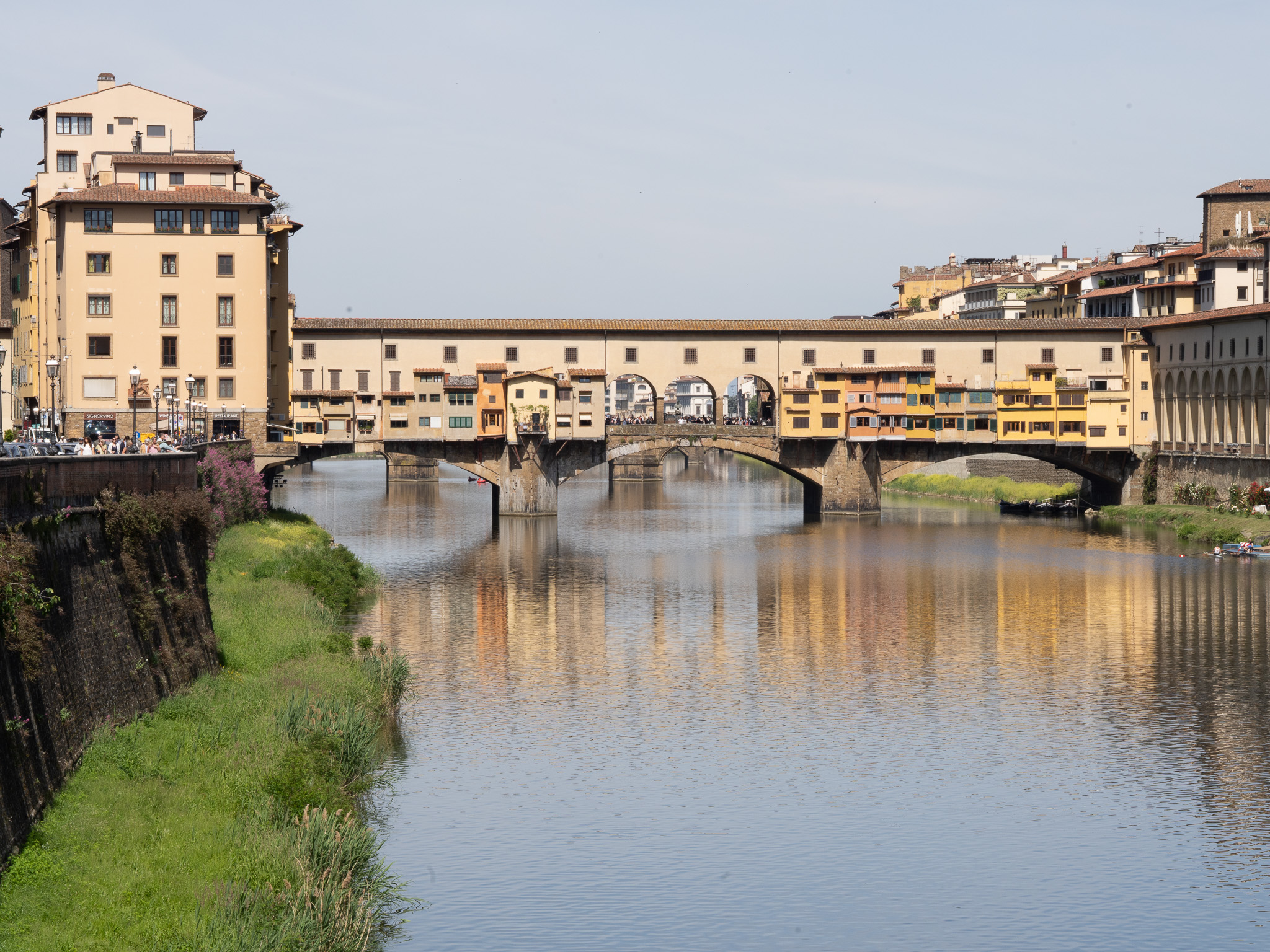
See them anyway.
You're in Florence. You're standing where Michelangelo, da Vinci, and Brunelleschi created works that changed human history. Don't skip that because of crowds.
But here's the key: see them strategically.
The David: Three Ways to Experience It
If you want to see Michelangelo's David, you have options:
1. The Accademia Gallery - The original David. Yes, it's crowded. Yes, you have to pay. But standing in front of the original is genuinely moving. Book tickets in advance to skip some of the line.
2. Piazza della Signoria - An exact replica stands here, completely free, and you can get as close as you want. No crowds, no tickets, no waiting.
3. Piazzale Michelangelo - A bronze version overlooks the city. The statue is less impressive, but the panoramic view of Florence is spectacular.
See all three if you have time. Each offers a different experience.

Don't Dismiss "Touristy" Places
We ate at a pizzeria just outside the Cathedral. We were hungry and hadn't had a chance to get the lay of the land yet. Could it be more touristy? Probably not.
It was fantastic.
They sold pizza by the kilogram, continuously bringing fresh, hot pizza up from the cellar. We were hungry, it was convenient, and it turned out to be delicious.
Would we recommend it to someone seeking an "authentic local" experience? No.
But if you're hungry and it's lunchtime and there's good pizza being served? Don't overthink it.
Similarly, we ate at Trattoria Dall'Oste, which is definitely geared toward tourists. You need a reservation. The prices reflect the location.
The Bistecca alla Fiorentina (Florentine steak) was tremendous.
Sometimes touristy places are touristy because they're good. Don't automatically dismiss them.
The Food: Where the Real Florence Emerges
Our best food experiences happened outside the city center. This is where you find the real Florence.
Bistecca alla Fiorentina: We Had It Twice
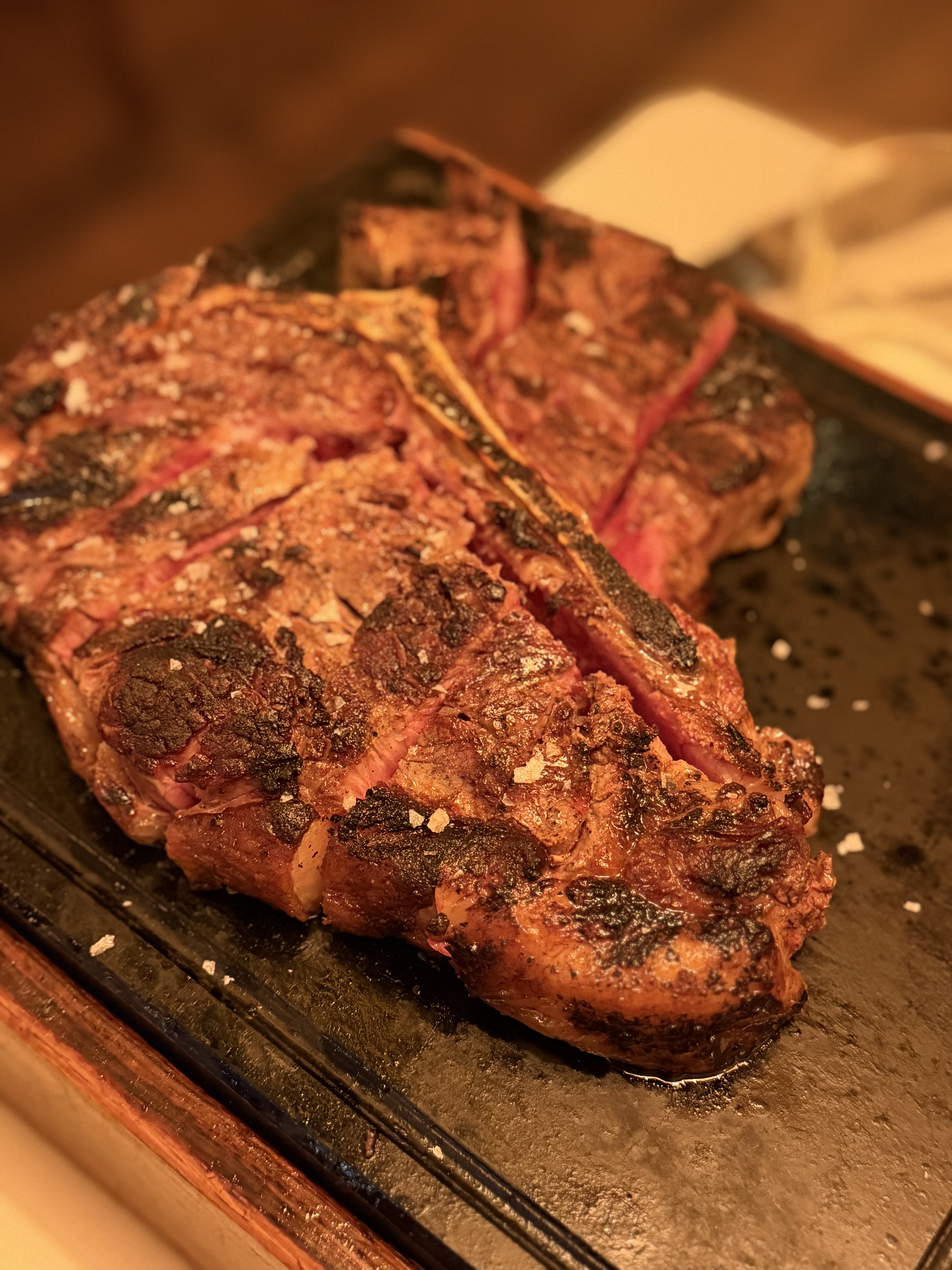
The famous Florentine steak—a massive T-bone from Chianina cattle, grilled rare—is a must-try in Florence.
We had it twice. Once at the touristy Trattoria Dall'Oste, and again at a local trattoria just down the street from our apartment.
Both were excellent. Both were about the same price.
The difference? The service and decor were less polished but more genuine. The atmosphere felt neighborhood-focused rather than visitor-focused.
Both experiences were worth it. But if we could only choose one? We'd pick the local spot.
Mercato di Sant'Ambrogio: Where the Locals Actually Go
This was our favorite food discovery in Florence.
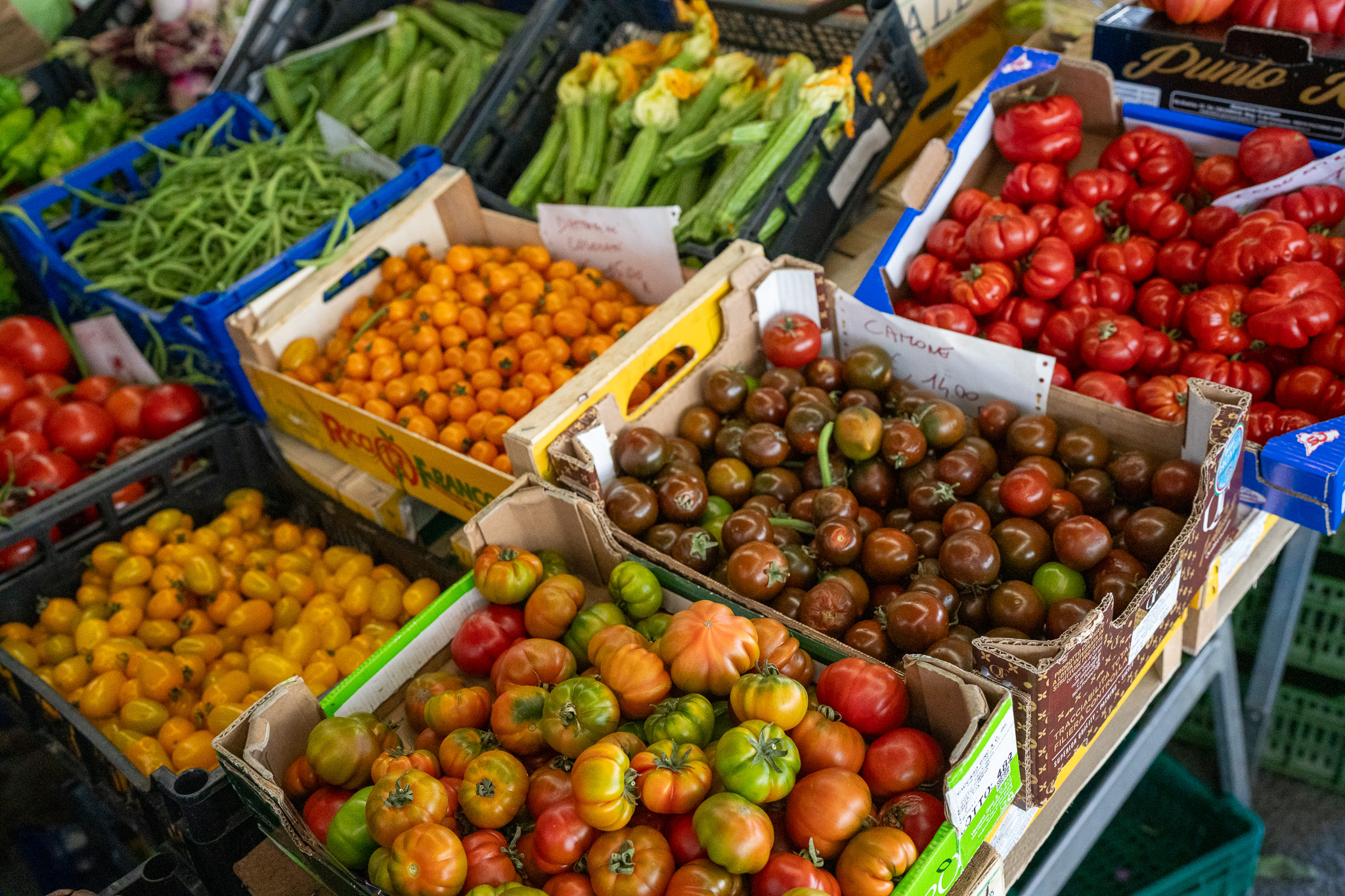
Mercato di Sant'Ambrogio is the market where locals shop. Unlike the touristy Mercato Centrale, Sant'Ambrogio feels like a neighborhood market that hasn't been packaged for visitors.
Outside the market: A farmers market where you can buy fresh fruits and vegetables directly from growers.
Inside the market: Stalls selling seafood, meat, cheeses—everything you could want for cooking at home.
We went inside to a small stand serving drinks, small sandwiches, and pastries along with coffee, beer, wine, and soft drinks.
The sandwich—served on fresh focaccia—was one of the best we had during our entire time in Florence.
Here's what made it special: we've all seen those Instagram-famous spots with long lines for schiacciata (Tuscan flatbread sandwiches) made famous on TikTok. Tourists wait 30-45 minutes for a sandwich they can photograph.
At Sant'Ambrogio? We walked right up, ordered our sandwich and drink, and enjoyed it at the counter. No wait. No performance. Just genuinely good food.
This is a place where locals come for "happy hour" specials just before the market closes at 1:30 PM on Saturdays. Yes, it got a little crowded. But people were there to socialize and eat—not to get content for social media.
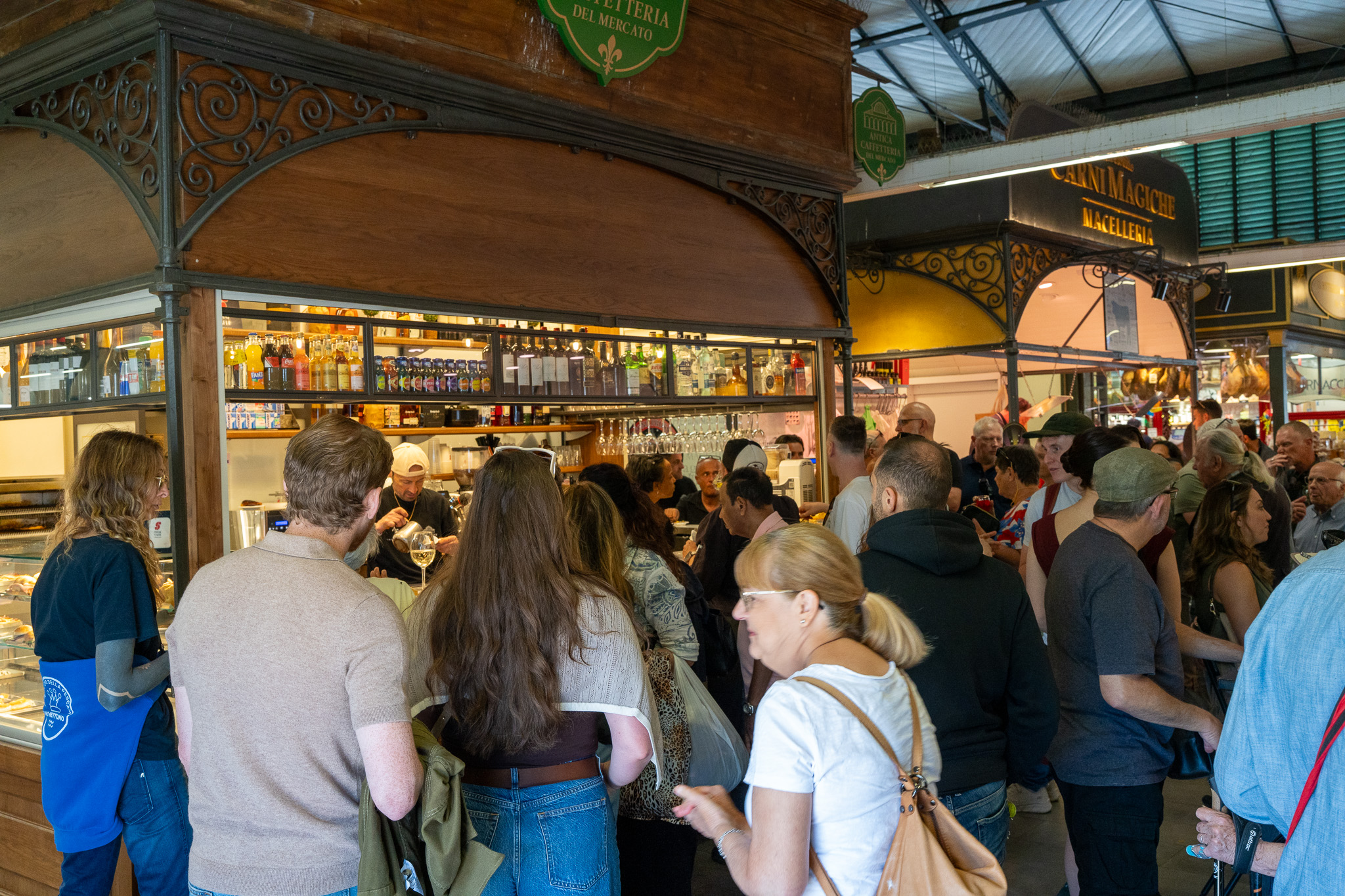
That's the difference between tourist spots and local spots.
The Sant'Ambrogio Neighborhood
The market sits in a wonderful neighborhood with local trattorias, cafés, and bars. This is where you want to spend time.
We also discovered an antique market called Pulci nearby. We loved getting lost there, wandering through stalls of vintage furniture, art, books, and curiosities.
Melissa is already planning our return trip and figuring out the logistics of shipping things home.
This is authentic Florence—the parts that exist for residents, not visitors.
Our Favorite Experience: The Cooking Class
If we had to choose one experience that captured the real Florence, it would be the cooking class we took through Cesarine.
Beyond the City, Beyond the Crowds
The class was held at the home of a couple who live on the mountainside, away from the hustle and chaos of the city center.
From their home, they had a beautiful view overlooking Florence. As the sun began to set, we kept thinking about all the people nearby, crowded shoulder-to-shoulder at Piazzale Michelangelo, jostling for photos of the sunset.
Meanwhile, we were standing in their garden, after learning to make homemade tiramisu and fresh pasta.
The Real Florence
The couple shared their home, their recipes, their stories. We learned how they got started, how long they'd lived in Florence, and how they have built a business bringing tourists to their home and sharing their love of good food, good wine, good conversation - the real Florence.
After cooking, we ate the meal we'd prepared in their garden, and they shared a few tips on places that we needed to visit on our last day in Florence.
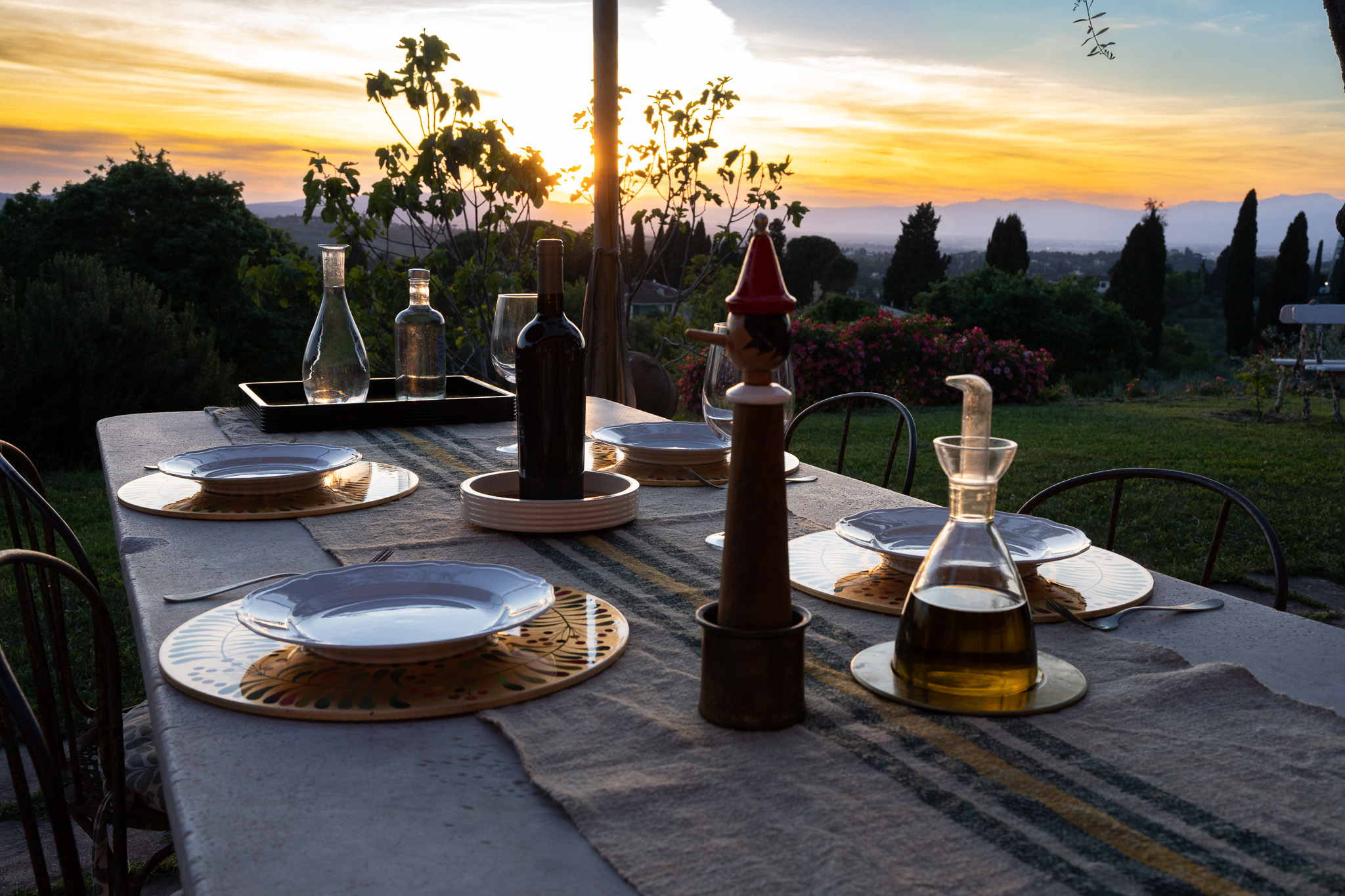
They shared the real Florence with us.
Not the Florence of tour groups and museum lines. The Florence of people who live here, cook here, gather with friends in gardens overlooking the terracotta roofs.
We didn't want to leave.
Why Cooking Classes Work
Taking a cooking class through services like Cesarine does something special: it puts you in someone's home. You're not a customer—you're a guest.
The conversations happen naturally. The experience feels personal. And you learn not just how to make pasta, but how Florentines live.
If you're looking for an authentic experience beyond the crowds, this is it.
Practical Takeaways: How to Do Florence Right
After four days navigating the crowds and discovering authentic experiences, here's what we learned:
1. It's Overwhelming at First—That's Normal
When you arrive and see the crowds, your first thought might be "What did I get myself into?"
Give it a minute. It settles down.
Especially in the evenings when tour groups leave. That's your time to experience and enjoy Florence at a more relaxed pace.
Early mornings work too. Get out before 9 AM and you'll see a different city.
2. Get Outside the Tourist Center
Yes, see the Duomo. Visit the Uffizi. Walk across Ponte Vecchio.
But then get outside the area with all the tourist attractions.
The neighborhood around Mercato di Sant'Ambrogio is where you'll find local trattorias, cafés, and bars. The Oltrarno district (across the river) has artisan workshops and neighborhood restaurants.
These areas exist primarily for residents. That's where authentic experiences live.
3. Don't Be Afraid of Touristy Places
We've said it before, but it bears repeating: don't automatically avoid touristy restaurants or cafés.
Sometimes they're geared toward tourists because they're in prime locations and serve good food. The pizzeria outside the Cathedral was excellent. Trattoria Dall'Oste served an outstanding steak.
Judge places on their own merits, not just their proximity to major attractions.
4. Four Days Is the Minimum
Could you see Florence's highlights in two days? Sure.
But to really experience the city—to find the local markets, take a cooking class, explore neighborhoods, and have unscheduled time to wander—you need at least four days.
This gives you space to be a traveler, not just a tourist.
5. Book Key Things in Advance
- Taxis to the station or airport: Use AppTaxi
- Major museums: Book Accademia and Uffizi tickets ahead
- Popular restaurants: Trattoria Dall'Oste and similar spots need reservations
- Cooking classes: These fill up, especially through services like Cesarine
Planning ahead eliminates stress and gives you more time to be spontaneous about other things.
6. Embrace the Evening Hours
When the tour groups leave and the day-trippers head back to their cruise ships or hotels in other cities, Florence transforms.
The streets calm. The light softens. The restaurants fill with locals.
This is when you should be out exploring.
Have a late dinner (by American standards—normal by Italian standards). Walk the streets. Sit in a piazza with gelato. This is when Florence feels like it belongs to you.
Note: Many restaurants don't open until 7:30 PM, so having an 8:00 or 8:30 dinner reservation is normal.
The Real Florence Still Exists
Yes, Florence is crowded. Yes, it's overwhelming when you first arrive. Yes, mass tourism has changed the city.
But the real Florence still exists.
It exists in the market at Sant'Ambrogio where locals shop for tonight's dinner.
It exists in the couple's home on the mountainside where they teach visitors to make pasta and share their garden at sunset.
It exists in the neighborhood trattoria where the waiter recognizes regulars and the menu hasn't changed in twenty years.
It exists in the early morning light on empty streets before the tour buses arrive.
You just have to look beyond the obvious.
See the Duomo. Stand before David. Walk across Ponte Vecchio. These are essential Florence experiences, and they're worth the crowds.
But then step away. Find the markets. Take the cooking class. Wander the neighborhoods. Talk to locals. Eat where residents eat.
That's where you'll find the Florence that has existed for centuries beneath the layers of tourism—the city that made the Renaissance possible, where art and food and human connection still matter more than Instagram photos.
That Florence is still there, waiting for you to discover it.
Your Florence Adventure
Four days. An apartment in the historic center. Patience with the crowds. Curiosity about what lies beyond the tourist attractions.
That's the recipe for experiencing authentic Florence.
The city will challenge you. It will overwhelm you at first. But if you give it time, if you look beyond the obvious, if you venture into neighborhoods where locals live...
Florence will reward you with experiences you'll remember long after the crowds fade from memory.
The Renaissance city is still there. Go find it.
Frequently Asked Questions About Visiting Florence
Q: How many days do you need in Florence? A: At least four days to truly experience Florence beyond the major attractions. This allows time for iconic sights, local neighborhoods, cooking classes, and spontaneous exploration.
Q: What is the best time to visit Florence to avoid crowds? A: April through June offers the best balance of pleasant weather and manageable crowds. Visit early mornings (before 9 AM) or evenings when tour groups leave for the quietest experience.
Q: Where do locals eat in Florence? A: Mercato di Sant'Ambrogio and the surrounding neighborhood offer authentic local dining. Look for trattorias away from major tourist attractions where you see more Italians than tourists.
Q: Is Florence too crowded for tourists? A: Florence is crowded, especially at major attractions. However, authentic experiences exist in local markets, neighborhood restaurants, and residential areas beyond the tourist center. Evening hours are significantly calmer.
Q: How do I see David in Florence without crowds? A: The Accademia Gallery (original) is always crowded but worth it—book ahead. For crowd-free alternatives, see the exact replica in Piazza della Signoria or the bronze version at Piazzale Michelangelo, both free.