Curacao: The Caribbean Island You've Probably Never Considered (But Should)
I was looking through my DM's on Instagram and I had a wonderful DM from a guy wanting to take his wife to Aruba but he was listening to our podcast and how we raved about Curacao and it had him rethinking their trip.
His questions were:
Could you do Aruba and Curacao in the same trip? Absolutely! That's what we did. We flew to Curacao from Atlanta (it was actualy cheaper at the time than flying to Aruba), spent a few days on Curacao exploring, then we took the small plane to Aruba and spent a few days exploring there. We rented a car both places because we knew we wanted to get out and explore as much as we could and see everything we could. Then we flew back to Curaco and then home. You might be able to do a multi-city and fly from Aruba but a word of warning: the Aruba airport flying back to the US is crazy. We were able to bypass that line since we flew domestic back to Curacao.
His question had me thinking I should do another blog post about our time there including where we stayed, where my sister stayed recently, where we ate, and what we did.
Most people know Aruba. Ask someone about Curacao, and you'll usually get a blank stare, or maybe a comment about that bright blue liqueur. But this little Dutch Caribbean island, tucked about 45 miles off the coast of Venezuela, ended up being one of our favorite stops — and if we're being honest, we liked it even more than Aruba. Some links are affiliate links. See our disclosure.
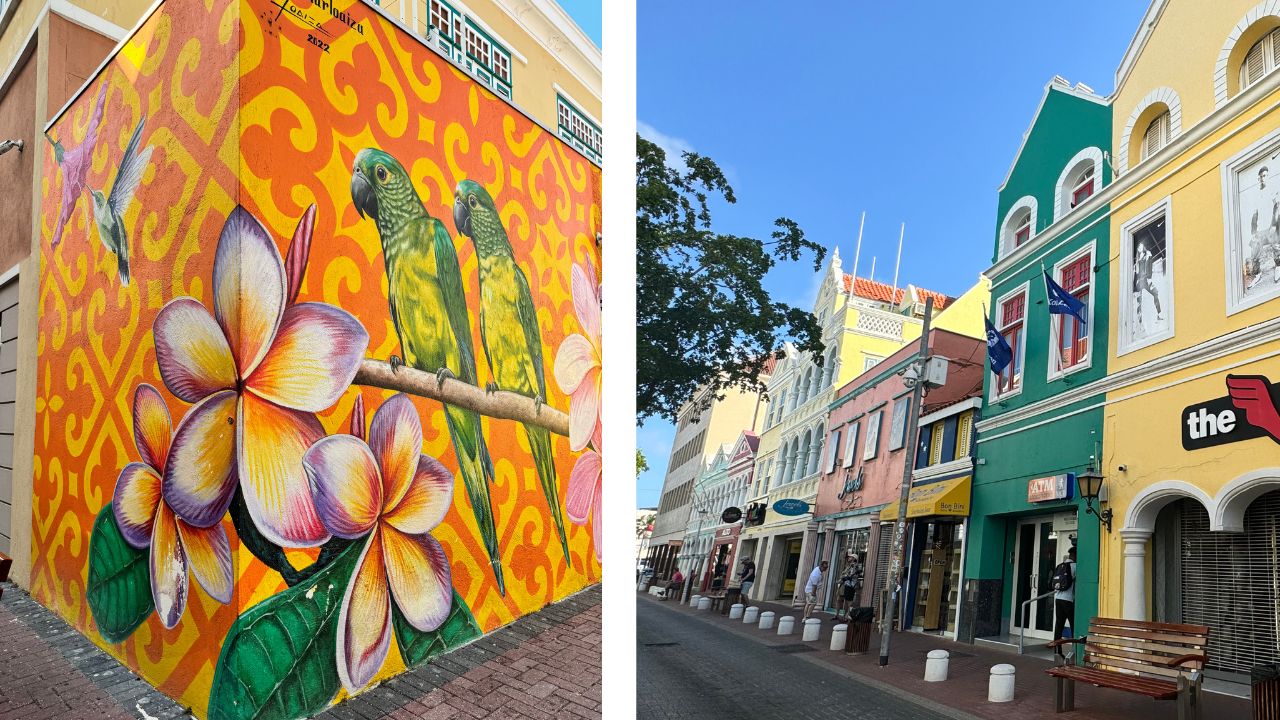
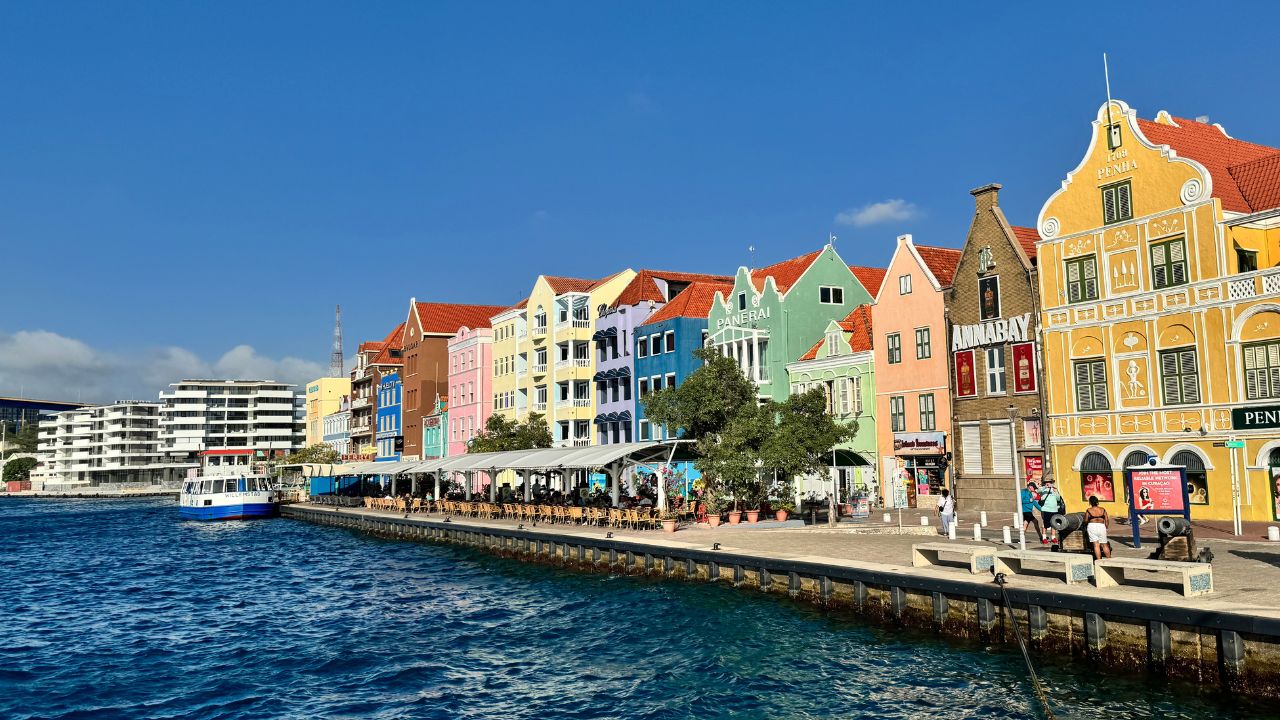
Curacao is part of the ABC islands (Aruba, Bonaire, Curacao) and is a constituent country of the Kingdom of the Netherlands, which explains the colorful Dutch colonial buildings you'll see all over the capital city, Willemstad. It's more authentic, less developed, and honestly just felt like a place with its own identity rather than a stretch of American-style resorts. Here's everything we learned along the way.
Before You Go: Don't Forget the Immigration Form
This is the one thing we almost forgot to mention, and it's important: Curacao requires an Immigration Form that you need to complete before you arrive. It only takes a few minutes, and you can either print it out or just pull it up on your phone when you go through immigration.
Heads up — if you're island hopping like we did (we flew from Curacao to Aruba and then back through Curacao again), you'll need to fill it out each time you pass through. It's free and simple, so please don't pay a third-party site to do it for you.
Where We Stayed
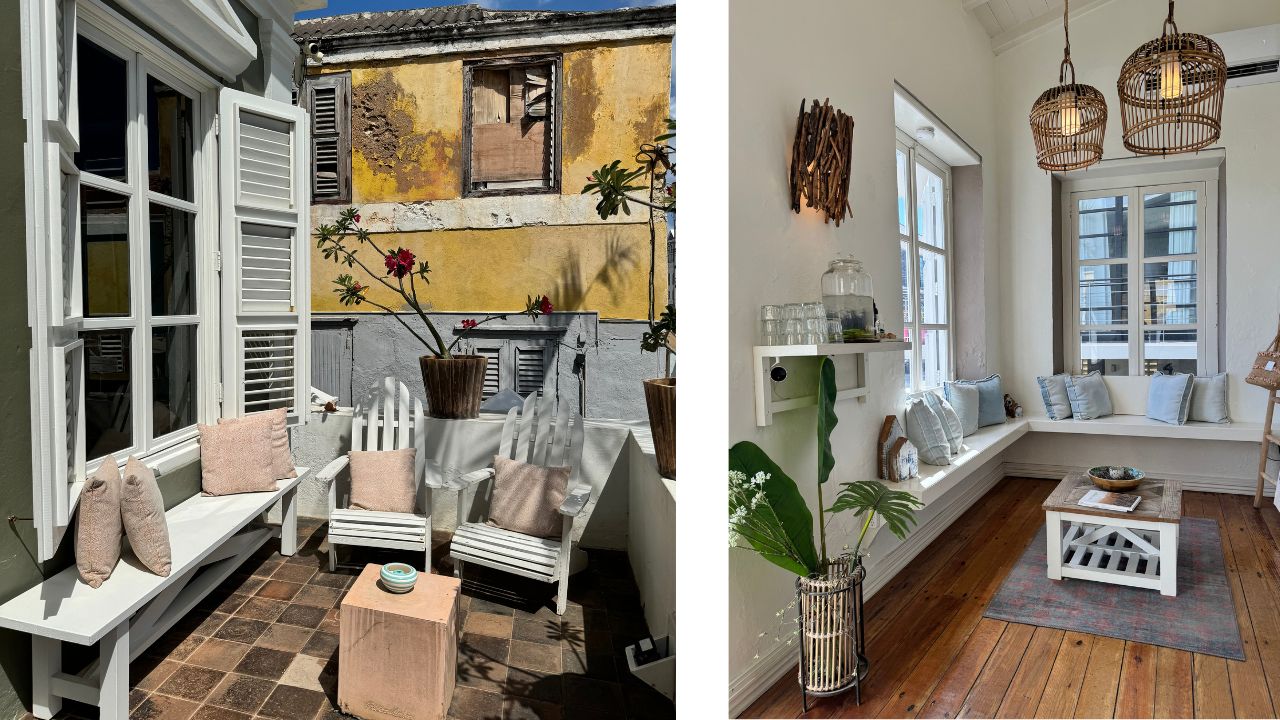
We based ourselves in the Pietermaai District, and it was the right call. This historic neighborhood is full of restored, brightly painted buildings, boutique hotels, and walkable streets, and it's within easy walking distance of the Queen Emma Bridge and downtown Willemstad.
Pietermaai Boutique Hotel — This is where we stayed, and we loved it. Great location, spacious rooms (ours had a full living area and kitchenette), and a lovely courtyard pool. Breakfast was next door at Van Gogh Specialty Coffee, and if you book a package that includes it, do — the coffee and fresh juices alone are worth it.
Scuba Lodge City Beach — We didn't stay here, but we had lunch on-site and it was excellent. It's another great option within walking distance of Willemstad, but right on the water, which is something we didn't realize until after we'd already booked elsewhere. If we go back, this is where we'd stay.
Scuba Lodge Lagun Beach — Melissa's sister stayed here on her own trip to Curacao and had a great experience.
If you'd rather have a resort experience, there's a Renaissance Wind Creek and a Curacao Marriott Beach Resort, plus a newer Sandals property, Sandals Royal Curacao, that is an all-inclusive. But if you want the island to actually feel like Curacao and not a copy of Aruba, we'd steer you toward the boutique hotels in Pietermaai every time.
Where to Eat
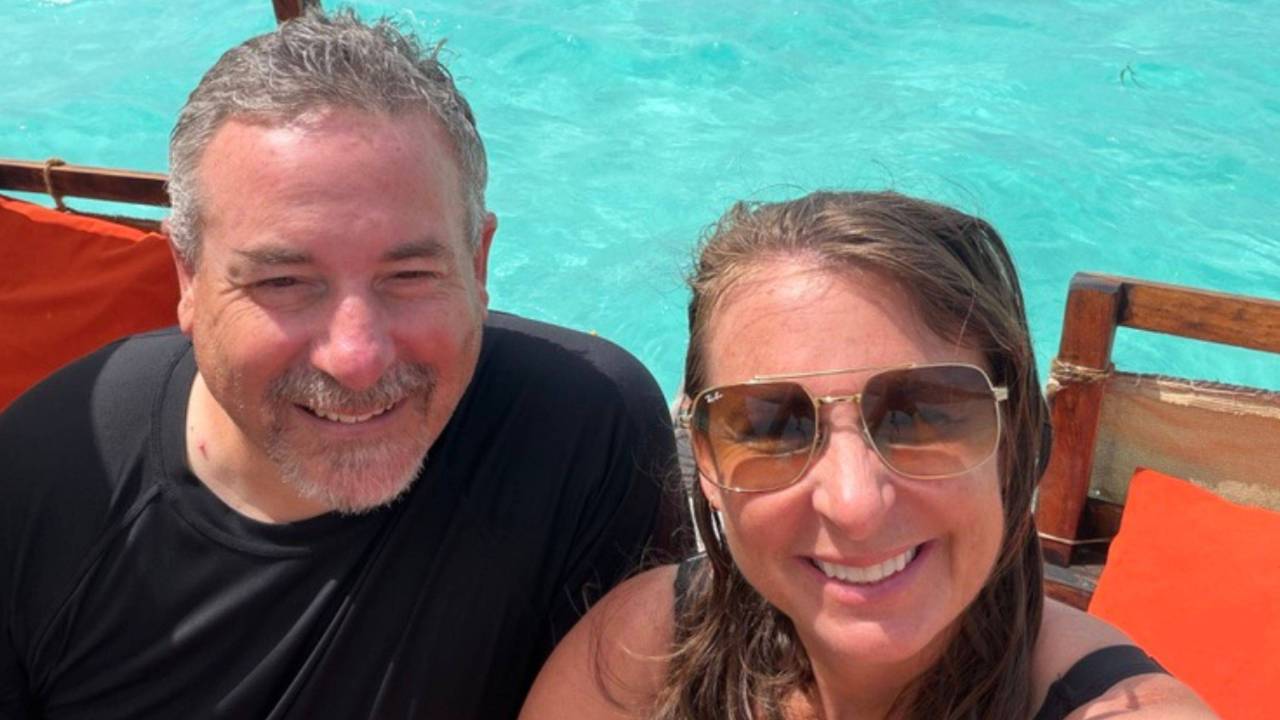
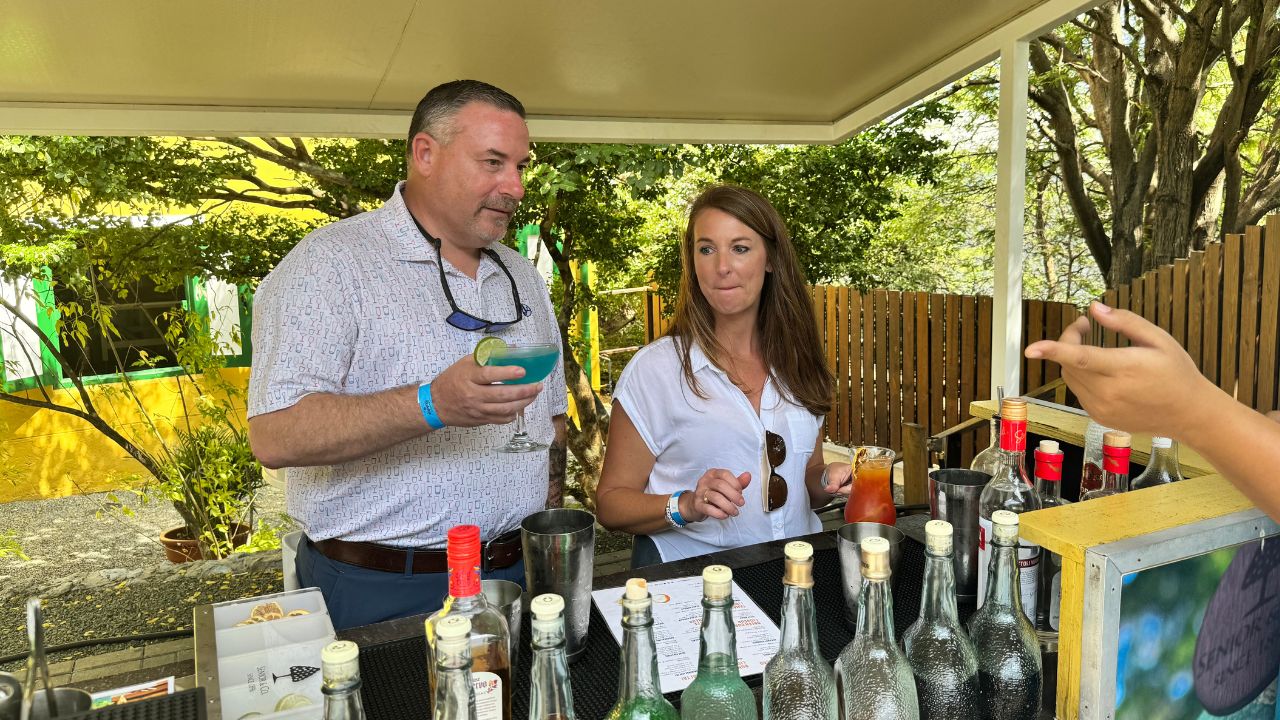
We always ask locals where to eat instead of relying only on online reviews, and it paid off here. A local at the Curacao Distillery (that's where we are in the above picture taking a cocktail class) gave us several recommendations that ended up being some of our favorites.
In Willemstad:
- The Gouverneur — the most popular, upscale option in town. We didn't eat here ourselves, and one local we talked to at the distillery actually thought it was overrated, so take that for what it's worth.
- Ceviche 91 at Rif Fort — get a reservation. This was fantastic, a Peruvian ceviche and sushi fusion spot perched at the top of the fort with gorgeous water and city views. Two separate people recommended this to us before we finally tried it, and it did not disappoint.
In the Pietermaai District:
- Restaurant De Heeren @Sea — great lunch spot with several other good options nearby.
- Van Gogh Specialty Coffee & City Roastery — our breakfast go-to, fresh food, fresh juice, great coffee, and open to anyone, not just hotel guests.
Up north, near the beaches and the flamingos:
- Marfa's Good Hangout at Williwood — don't miss the Williwood sign nearby (yes, like Hollywood, but Williwood). We stumbled onto this place completely by accident on barbecue night and ended up loving it.
More local recommendations from the distillery:
- Komedor Kriyoyo Plus in Willemstad
- Kenchi Big Eyescad near Mambo Beach
- Kome in Pietermaai
And a couple more finds:
- Bario Urban Street Food — a shipping-container food hall concept we noticed while wandering around looking at the street murals in Willemstad. Great reviews for both food and atmosphere, and they even have an attached hotel, Bario Hotel, if you want to stay right there.
- Swinging Old Lady — a local brewery near The Gouverneur, worth a stop if you're into craft beer.
Snorkeling and Beaches
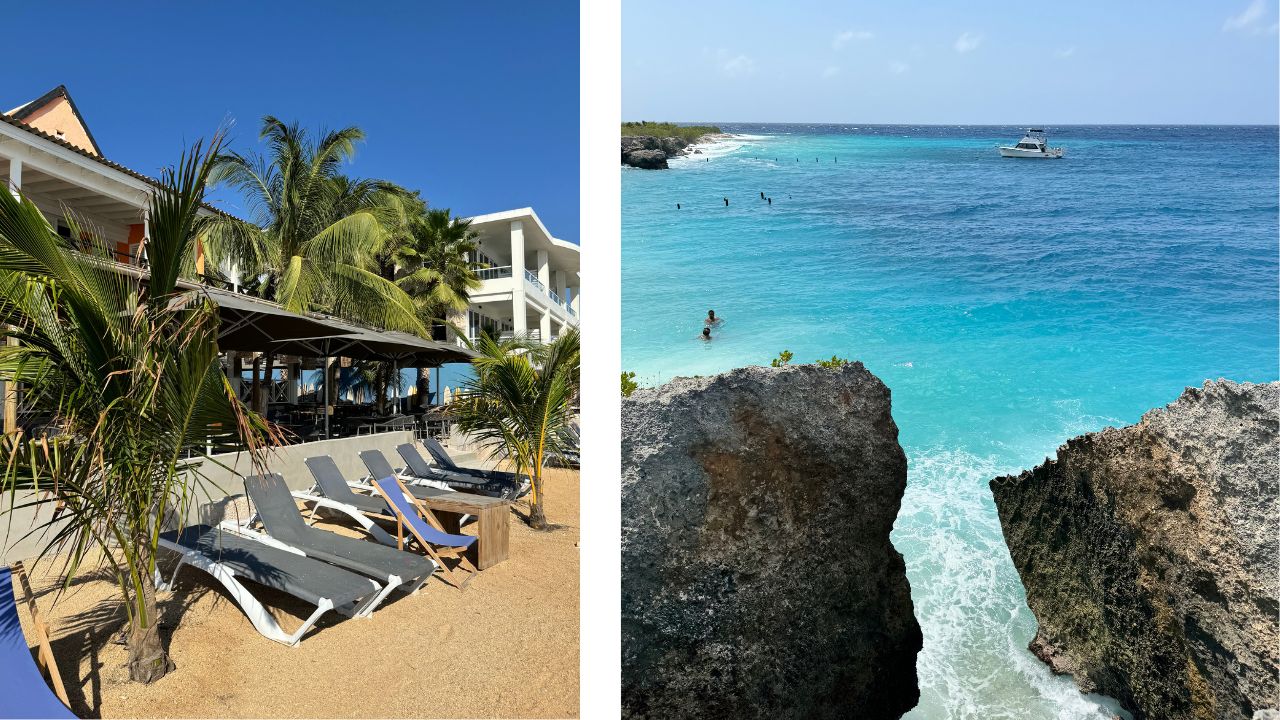
If you love snorkeling, Curacao might surprise you. Our favorite spot on the entire trip was the Tugboat Shipwreck, off Pier No. 5. You swim out just past the pier into about 50 feet of crystal-clear water, and there's a submerged tugboat you can view perfectly well just by snorkeling — no diving required. The fish were everywhere, sometimes before we were even waist-deep.
Other favorites:
- Grote Knip, a popular local beach in the north with incredible snorkeling once you swim past the roped-off area to the left of the rocks (strong swimmers only, and always go with a buddy).
- Kokomo Beach, a private beach club with a swing over the water, a full restaurant, and a much more resort-like feel than the average Curacao beach.
- Playa Piscada, known for sea turtles, though it felt more touristy than we expected.
A word of warning: Curacao beaches are more rustic than what you might picture in the Caribbean. Think small stones and shells rather than wide white sand, though a few spots do have soft sand. Bring your own gear if you have a favorite mask or fins, though rental shacks are everywhere and diving here is very affordable.
Beyond the Beach
- Christoffel/Shete Boka National Park — dramatic blowholes, crashing waves, a natural bridge, and a cave you can explore depending on the tide. Worth the entrance fee.
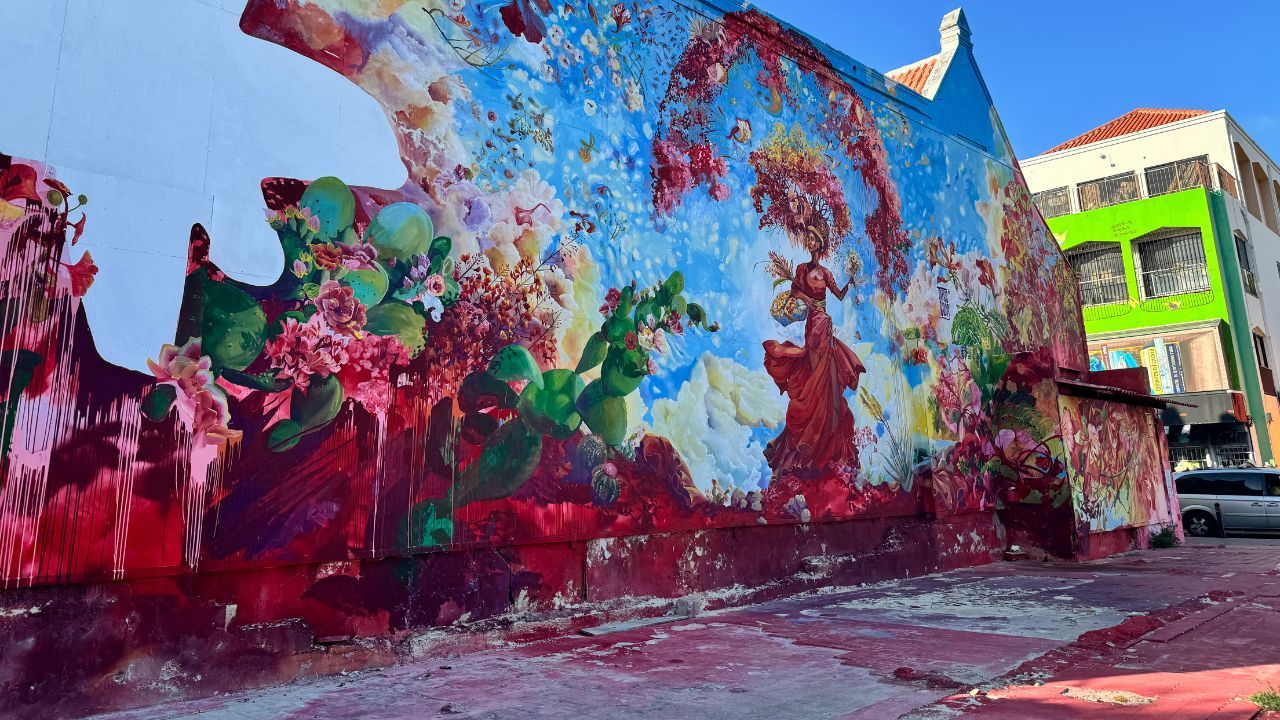
- The street murals of Willemstad — genuinely beautiful and seemingly endless. Just wander and look up.
- The Queen Emma Bridge — a floating pontoon bridge that opens for larger ships. Walk across at night when it's lit up in colorful LEDs.
- The Curacao Distillery Tour — learn the real story behind Blue Curacao (spoiler: the color is just food dye, the liqueur is the same regardless of color) and pair it with a cocktail class if you have time.
- The flamingos — one of our unexpected favorite parts of the trip. Head toward Salt Lake Willibrordus, near the Williwood sign, closer to sunset for the best chance of seeing them in the wild.
A Few Practical Notes
- Language: Papiamentu is the local Creole language, Dutch is official, and English and Spanish are widely spoken. We never had trouble communicating.
- Money: US dollars are widely accepted, and most places take credit cards. Oddly, our cards wouldn't process in the local currency, so everything ended up charged in USD at a worse exchange rate — something to be aware of.
- Getting around: Rent a car. Curacao is a place you explore, not a lounge-at-the-resort destination, and a lot of the best beaches and snorkel spots are easiest to reach by car.
- Weather: Curacao sits outside the hurricane belt, but storms elsewhere in the Caribbean can steal the trade winds, making August through December hotter, buggier, and more humid than usual.
What We'd Pack Differently Next Time
- A lightweight or quick-dry towel (we wished we'd brought our own instead of buying one at the end of the trip)
- Water shoes for rocky beach entries
- Fins, if you plan to snorkel much
- Tennis shoes for hiking at the national park
- A light jacket for breezy evenings
- A beach bag you don't mind getting sandy
See our Curacao Beach Packing List here
Would We Go Back?
Absolutely. We only scratched the surface. There were 10 or 12 beaches we never made it to, plus half the restaurants on our list. If you love snorkeling and want a Caribbean island that still feels like its own place rather than an extension of home, Curacao deserves a spot on your list right alongside Aruba, not instead of it.
Have you been to Curacao? We'd love to hear your favorite spots or answer any questions you have. Send us a note at [email protected] and let us know what we should check out next time.